

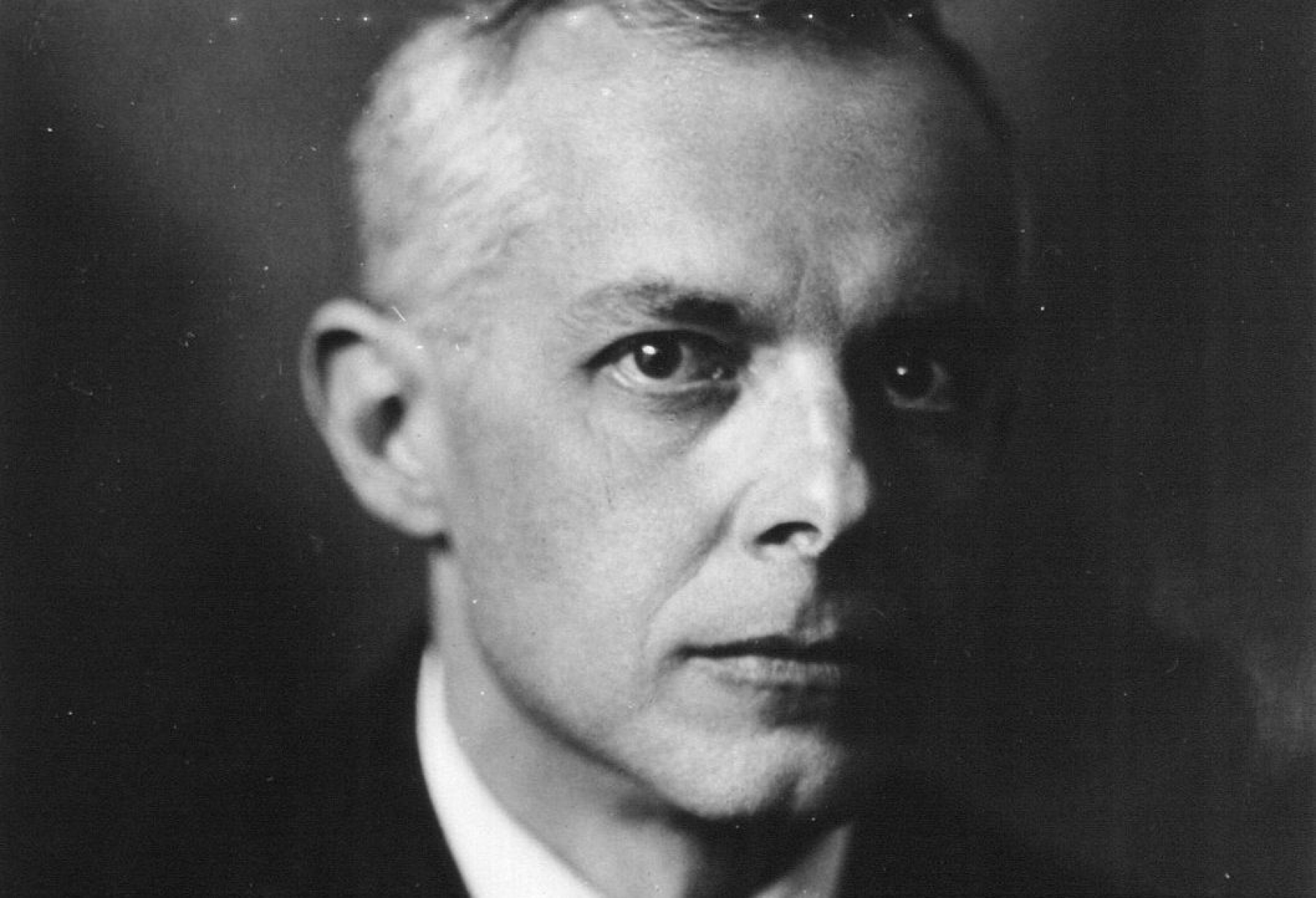
We Hungarians are in the unique position of having Béla Bartók’s cultural heritage as the basis of our musical education, and may not be aware of how the composer’s influence spans national borders, even continents, as a point of reference from America to China.
Although Bartók himself never visited China, his influence on the musical culture of the country is greater than we might think. As a result of the opening that followed the Cultural Revolution (formally the Great Proletarian Cultural Revolution, 1966–1976), the country and its cultural institutions took an interest in the formerly “forbidden fruit” of Western music. The works of 20th-century composers soon became part of the curricula of China’s two largest institutions of music education, the Beijing and Shanghai conservatories, with a special focus on the works of Bartók. Such was the interest in his work that he was the first 20th-century composer to be discussed in papers published in the institutions’ own journals, while folk music collection became a compulsory part of the curriculum at the Central Conservatory of Music in Beijing.
As regards the relationship between folk and modern music, Bartók was both a model and an exemplar: by the late 1990s, his influence on modern Chinese music had already been discussed in numerous studies. The internationally acclaimed composers of the new generation who began their careers at this time – Tan Dun, Chen Yi and Bright Sheng – all regard Bartók’s inspiration as the most relevant. Paradoxically, the Chinese composers who followed in Bartók’s footsteps became much more popular in America, and found it much easier to integrate into the music scene there, than their paragon had done.
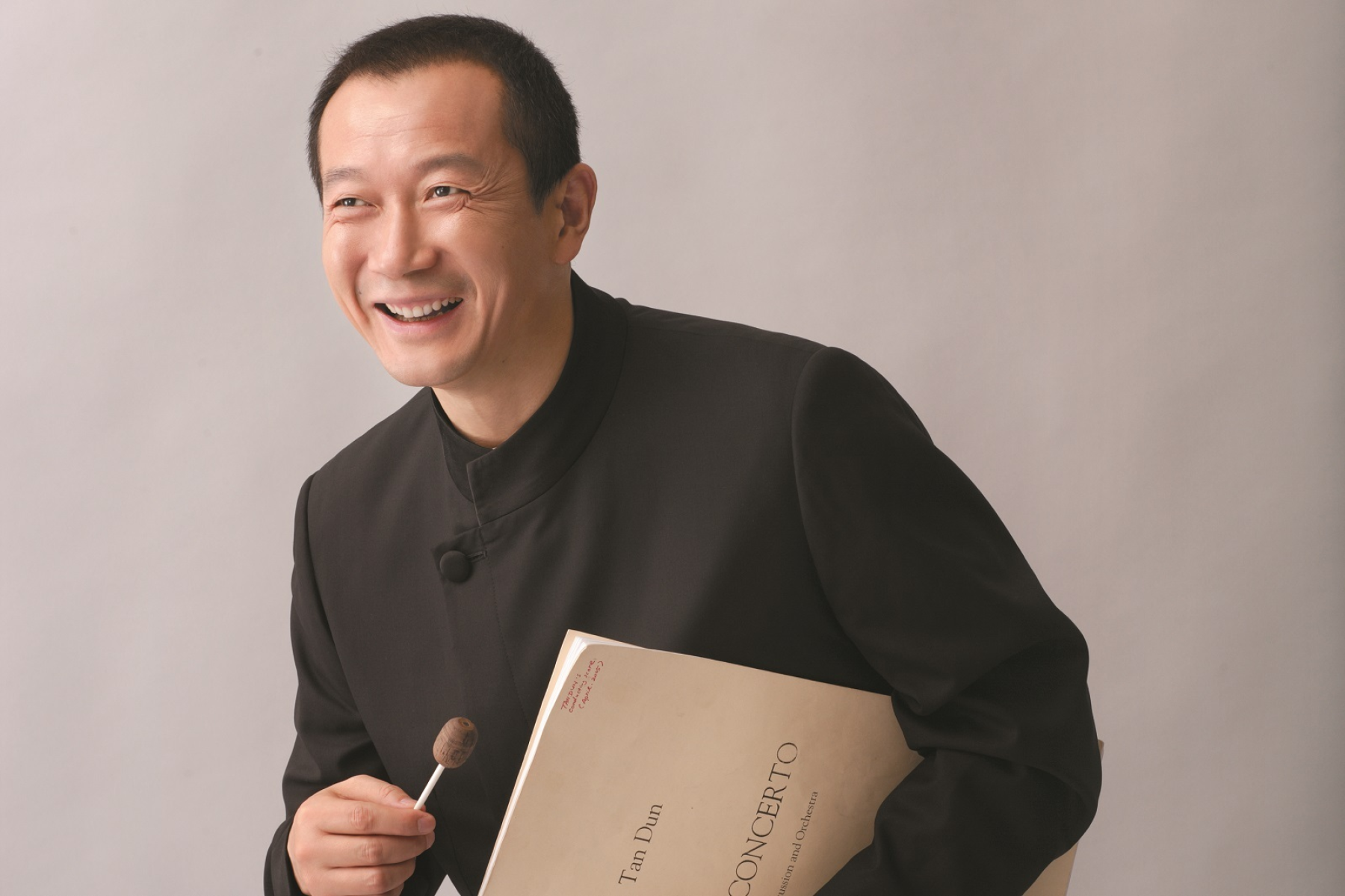 At Bartók Spring will be the first time the Hungarian audience can hear Tan Dun s latest composition, Buddha Passion
In the early 1980s, the young Tan Dun went back to his native Hunan Province with the intention to collect authentic folk music. He recorded the performances of village musicians and singers on video, directly incorporating these recordings into one of his compositions. By his own admission, he meant to follow Bartók’s example by making music that established a dialogue with the past while keeping it alive for future generations.