

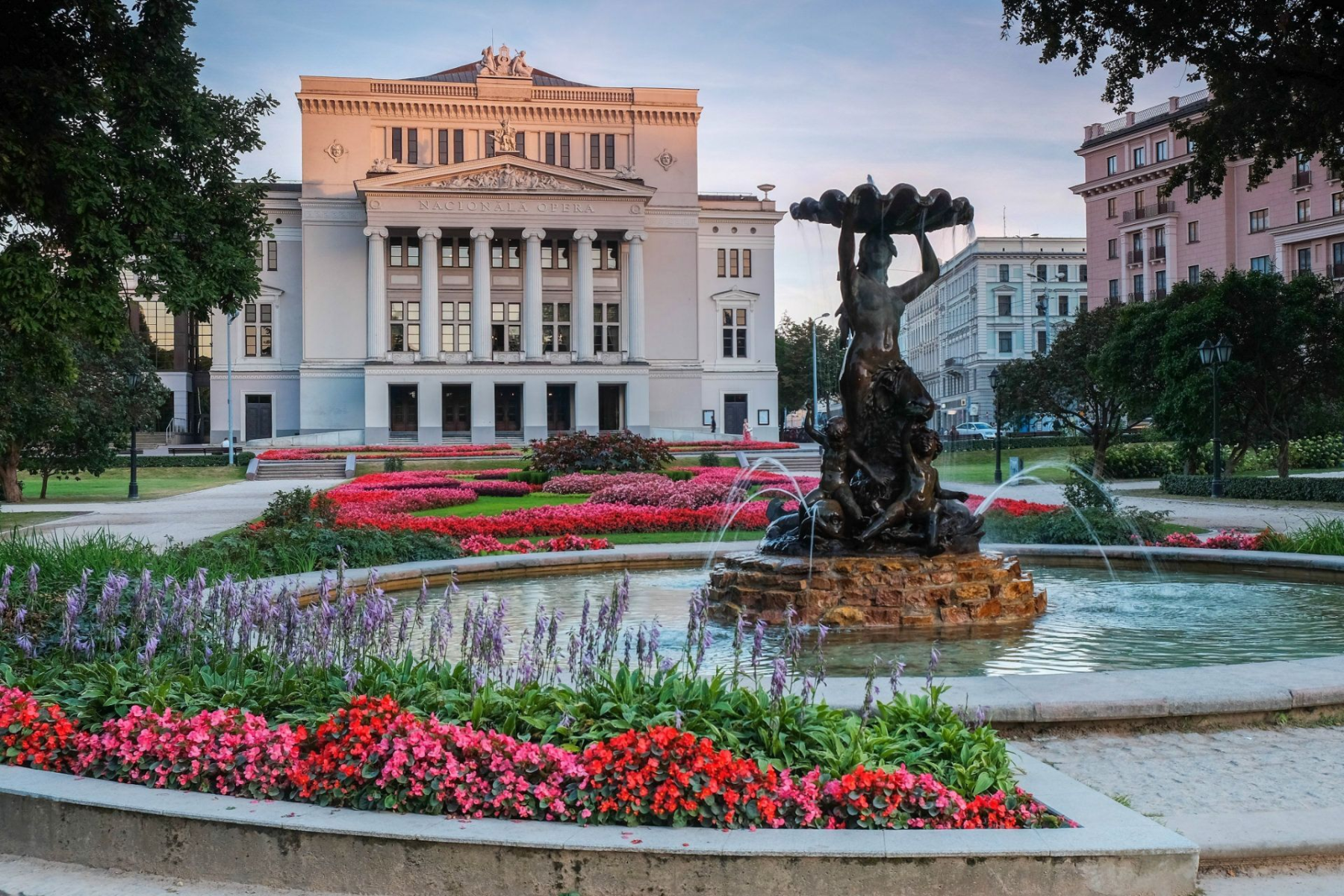
In the centre of Riga, a few minutes’ walk from the Freedom Monument, there is a cream-coloured, neoclassical building by the canal. It may look like one of the many 19th-century opera houses in the West, but the long history of the Latvian National Opera and Ballet is really about survival. It is the story of going on after a blaze, wars and regime changes, while preserving the greatest asset, the company.
The history of the Latvian National Opera and Ballet began with a former municipal theatre, built near what is now Wagner Street in the late 18th century. In the spring of 1829, there was a memorable incident when panic broke out in the auditorium as the joists and joints of the ceiling began to creak. The reason, it turned out, was that there were far too many people jostling in the room above the auditorium: the guests dancing at the wedding of the theatre’s doorman. This episode woke the city administration up to the need for a safe new building.
The opera house we know was built to the design of Ludwig Bohnstedt, a German architect based in Saint Petersburg, and was opened in 1863. Prestigious and tasteful, the ‘White House’ was a token of the pride of a city on the rise, while boasting some very practical solutions. There was a route for the carriages of the elite, and a distinct path for the pedestrian public; each gallery had its own foyer; and quick evacuation in the event of a fire was a chief design consideration. Originally designed for 1300 seats, the auditorium can now sit an audience of around 940.
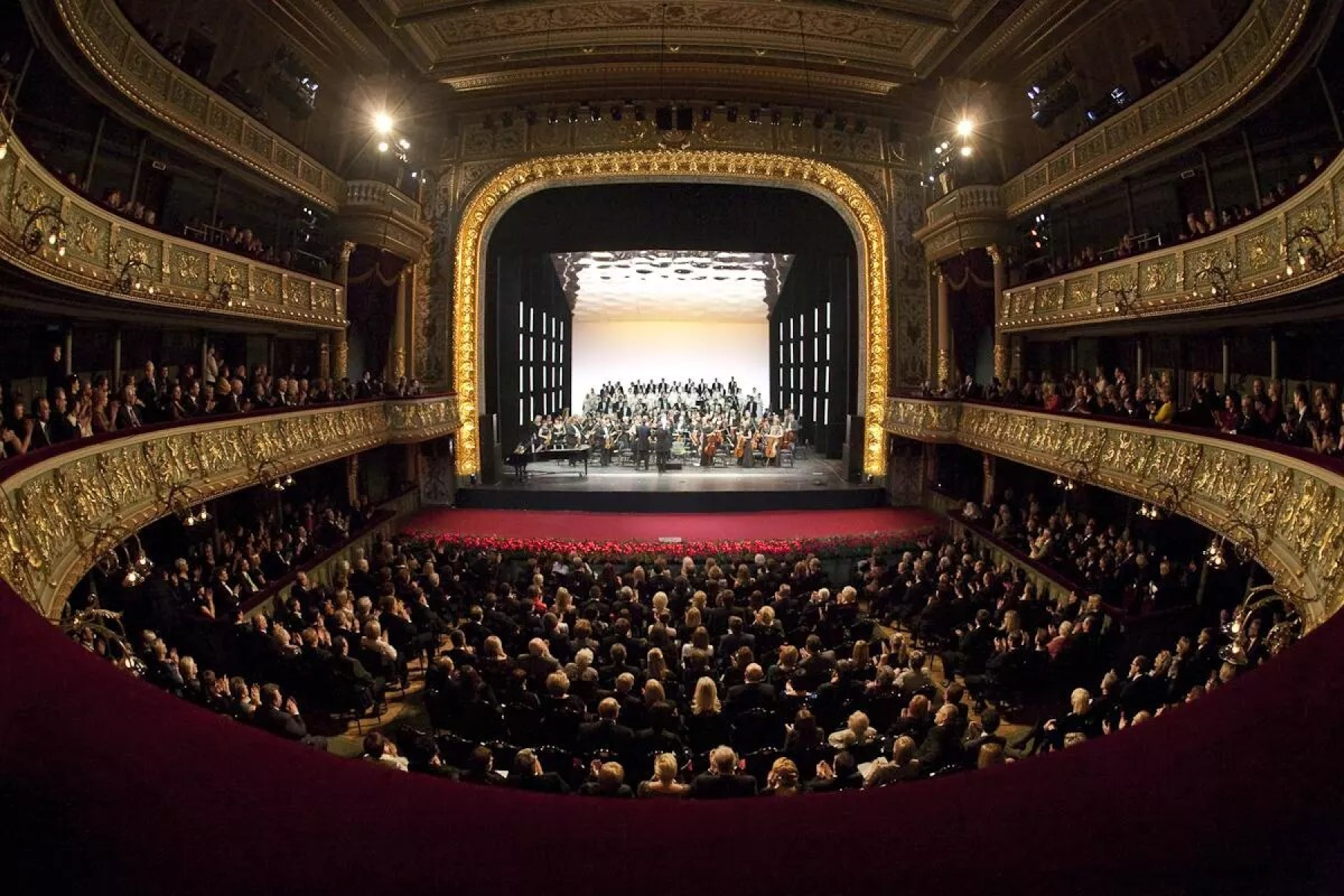
In 1882, disaster struck and a fire caused serious damage to the building, forcing the company to finish the season in a temporary wooden structure. The stubborn people of Riga did not give up: they insisted on their opera, and the reduced possibilities notwithstanding, memorable productions were made during the transitional period. The restoration was a good opportunity to modernize things. Riga had introduced gas lighting in 1862, but in 1887 the renovated theatre was already illuminated with electricity, which was produced by a temporary power plant on the bank of the canal—a first in the Baltic States. The bright light that replaced the unhealthy dimness also had a positive effect on the aesthetic, as both the musicians and the audience could see better what was unfolding on the stage.
The 20th century brought new trials. The First World War was a period of linguistic and political prohibition, and the theatre was both a centre of culture and a symbol of power. The building has preserved a time capsule: during a later renovation, music scores and other documents from the 18th to the 20th centuries were found under the second floor staircases. The first professional Latvian opera company was founded in 1912, and from 1919 the house also played a role in nurturing the nation’s language, taste and identity.
As political regimes changed throughout the 20th century, the institution persisted in functioning in the same way: it had a company, it kept building its repertoire and maintained potent centres of study and work. The 1990s ushered in a new period in its history: the renovated building was opened in 1995, with refurbished foyers, a modern stage and less seats in the auditorium. In 2001, a new wing was added with rehearsal rooms and a 300-seat room. While the main hall continues to be used as the main performance space, a venue for smaller and experimental productions became necessary in the 21st century.
Today, the Latvian National Opera and Ballet performs on nearly two hundred occasions a season, with a staff of six hundred, in several venues. Since 1998, the Riga Opera Festival has been the festive end of the season, when the house presents both a solid repertoire and fresh undertakings. The programme of the 2025/2026 season includes accessible Italian operas, major French-Russian ballet titles, and a few rarities. Taking risks is part of the routine operation in Riga, where the institution is marked by both stability and a spirit of inquiry. The orchestra and the choir are the backbone of the system: before he became a world star, Andris Nelsons worked here in a leading position early in his career.
The Latvian National Ballet is the only professional ballet company in the country, with a history dating back to 1922. The company celebrated its centenary with a major programme. In addition to the core pieces of the canon, it also keeps neoclassical and contemporary pieces in its repertoire. In Riga, tradition does not stand in showcases, but is constantly in motion.
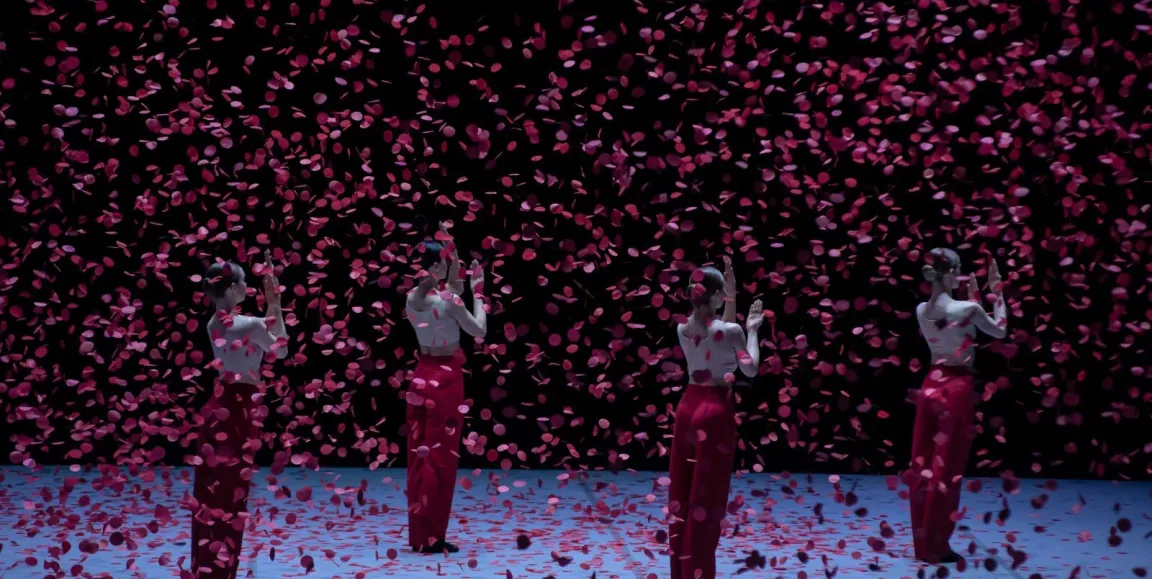
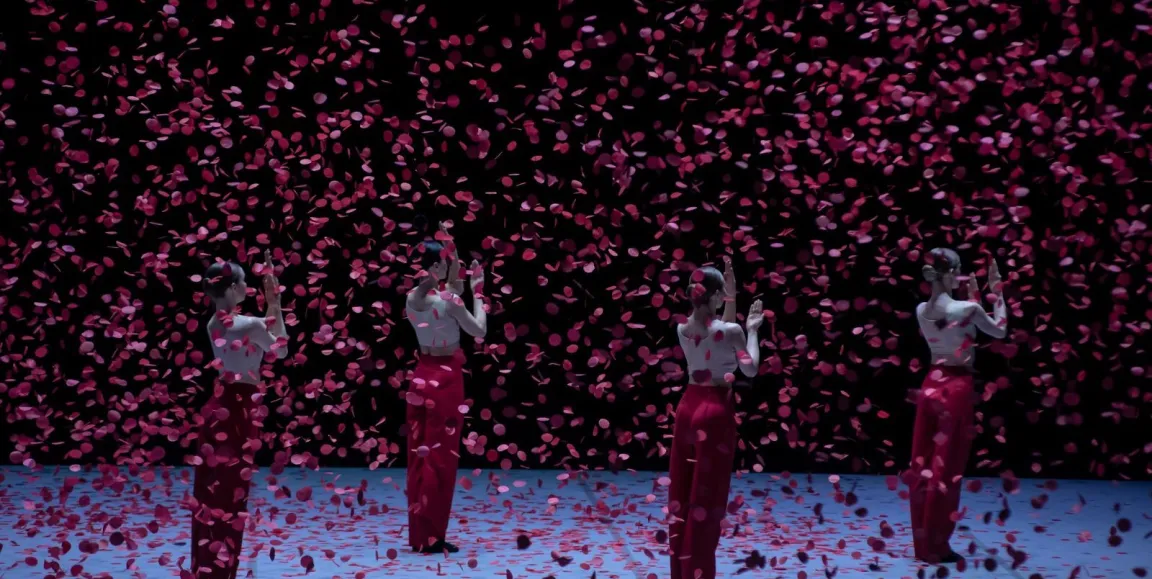
Nijinsky, the show they bring to Müpa Budapest, is not an illustrated life story, but a series of states of mind. Choreographer Marco Goecke identified key moments in Vaslav Nijinsky’s eventful career, including his time with the Ballets Russes, the attraction and power of Diaghilev, fame and success, and then the mental breakdown. In a career not without the odd scandal, Marco Goecke, the globetrotting German choreographer, has worked with leading ballet companies as a resident artist or company director. By employing him, the Latvian company has shown its open-mindedness and curiosity—true to the spirit of the White House in Riga.